
Answer questions about your lifestyle, family history, and other health factors to evaluate your risk of developing diabetes.
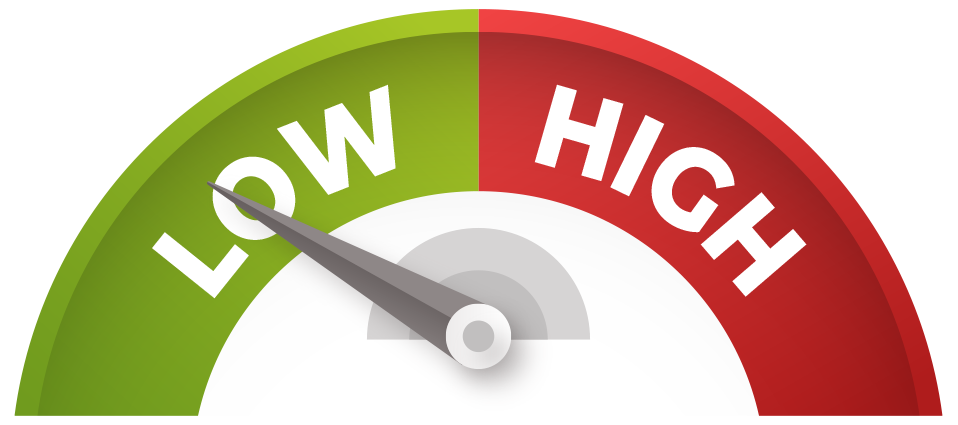
Great news! Being at low risk for diabetes means you are doing a lot right. But even superheroes
need to keep an eye on
their health. Regularly checking your fasting glucose helps ensure everything stays on track,
and a quick check after
some meals can be insightful, especially if you try a new food or meal.
While you might not need the HbA1c test as often as high-risk individuals, getting it done
during your regular health
check-ups provides a good overview of your blood sugar levels over time. Also, do not forget
about keeping an eye on
your overall health, like your cholesterol levels, kidney function, and eyesight.
Staying at low risk is about maintaining the healthy habits you have already built. Continue to
enjoy a balanced diet,
stay active, and keep hydrated.
You are at a high risk for developing diabetes. Think of this as a golden opportunity for
prevention. Keeping a close
watch on your sugar levels now can make a big difference. Starting your day with a fasting
glucose check gives you a
baseline, helping you understand how your body is doing without any food influence. Also,
checking your levels after
meals can show you how different foods affect you.
Remember, the HbA1c test every three months is especially important for you. It is like a
crystal ball showing how well
you’re managing your risk over time. Also, regular checks on your cholesterol, kidney function,
and eyes can help catch
any changes early.